2026
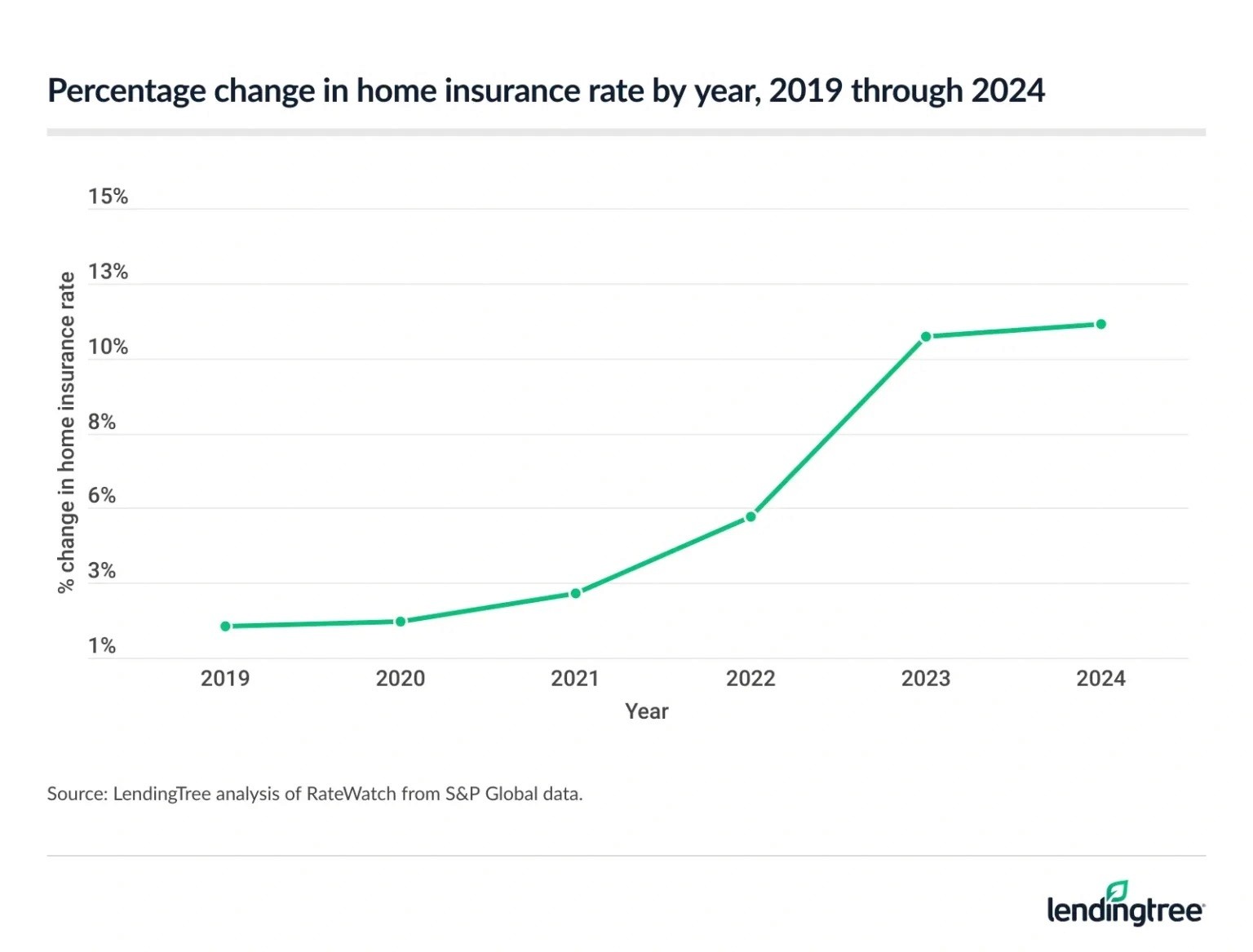
It sounds optimistic, maybe even naïve, if you’ve been operating apartments since 2019. But the forces that caused premiums to explode are now creating something even more disruptive: real alternatives to traditional insurance.
And once operators experience those alternatives, the market will never fully go back.
A Quick Look at How Bad Multifamily Insurance Got
Let’s anchor this in reality.
2019: ~$39 per unit per month
2024: ~$68 per unit per month nationally
Florida operators: $120–$150 per unit per month
That’s not inflation. That’s a structural failure.
For years, owners had no leverage. You paid what carriers demanded because the alternative was being uninsured or non-renewed.
But that extreme pricing created something carriers didn’t anticipate…
High Premiums Created the Perfect Conditions for Disruption
When insurance costs crossed a certain threshold, they stopped being “an expense” and became a business opportunity.
That’s when operators started seriously exploring:
Captive insurance options
Risk Retention Groups (RRGs)
Self-insurance programs for apartment owners
Resident insurance profit-sharing models
Platforms like Insur3Tech, where operators own the insurance company instead of renting it
Here’s the math that changed everything:
A 1,000-unit portfolio paying $800,000 per year in insurance doesn’t need a 10% savings to matter.
It needs structural change.
With alternative risk structures, that same operator can:
Cover claims internally
Control underwriting and loss incentives
Generate insurance income
Offset $300K–$400K+ of annual insurance expenses every year
At that point, insurance stops being a sunk cost, and it turns into a minor cost or eventually becomes NOI with models like Insur3Tech's.
Carriers Spent 2025 Watching Their Best Customers Leave
This is the part no one in the traditional insurance world likes to talk about.
Carriers raised rates aggressively to protect margins.
But in doing so, they:
Pushed disciplined operators out of pooled risk
Kept the riskiest assets on their books
Shrunk volume while increasing volatility
It’s the same dynamic landlords see when rents go too high:
Your best tenants leave
Retention drops
You’re left with worse risk and lower quality income
Insurance just runs on a 2–3 year lag, not a 6-month leasing cycle.
That’s why 2026 matters.
Why Traditional Carriers Can’t Compete — Even If Rates Drop
Yes, you’ll start seeing new language in 2026:
“Profit-sharing programs”
“Loss credits”
“Participating policies”
But here’s the hard truth:
Traditional insurance companies cannot structurally compete with captives or RRGs.
Why?
Because their incentives are misaligned.
They must:
Retain profits to pay shareholders
Protect carrier balance sheets
Socialize risk across unrelated portfolios
Captives and alternative insurance models flip this entirely:
The customers are the shareholders
Profits flow back to owners and operators
Clean properties directly benefit from good performance
Even if a carrier lowers your premium by 10–15%, it still can’t match:
Profit distributions
Long-term equity share
NOI generation from resident insurance
Control over underwriting and claims experience
Why This Shift Is Permanent
Once an operator:
Receives an annual insurance distribution
Sees insurance reduce net operating expenses
Uses resident insurance as a profit center
Stops subsidizing losses in other states and asset classes
…they never go back.
Lower premiums might slow adoption, but they won’t reverse it.
The industry crossed a line where insurance ownership now beats insurance purchasing. This is currently becoming a new industry trend, and eventually will be the standard.
The Real Question for 2026 Multifamily Operators
The question isn’t:
“Will insurance premiums go down from here?”
It’s:
“Who owns the insurance from here?”
Because in the next cycle:
Some operators will pay slightly less
Others will get paid
And that difference will decide which deals survive refinancing, and which don’t.