2026
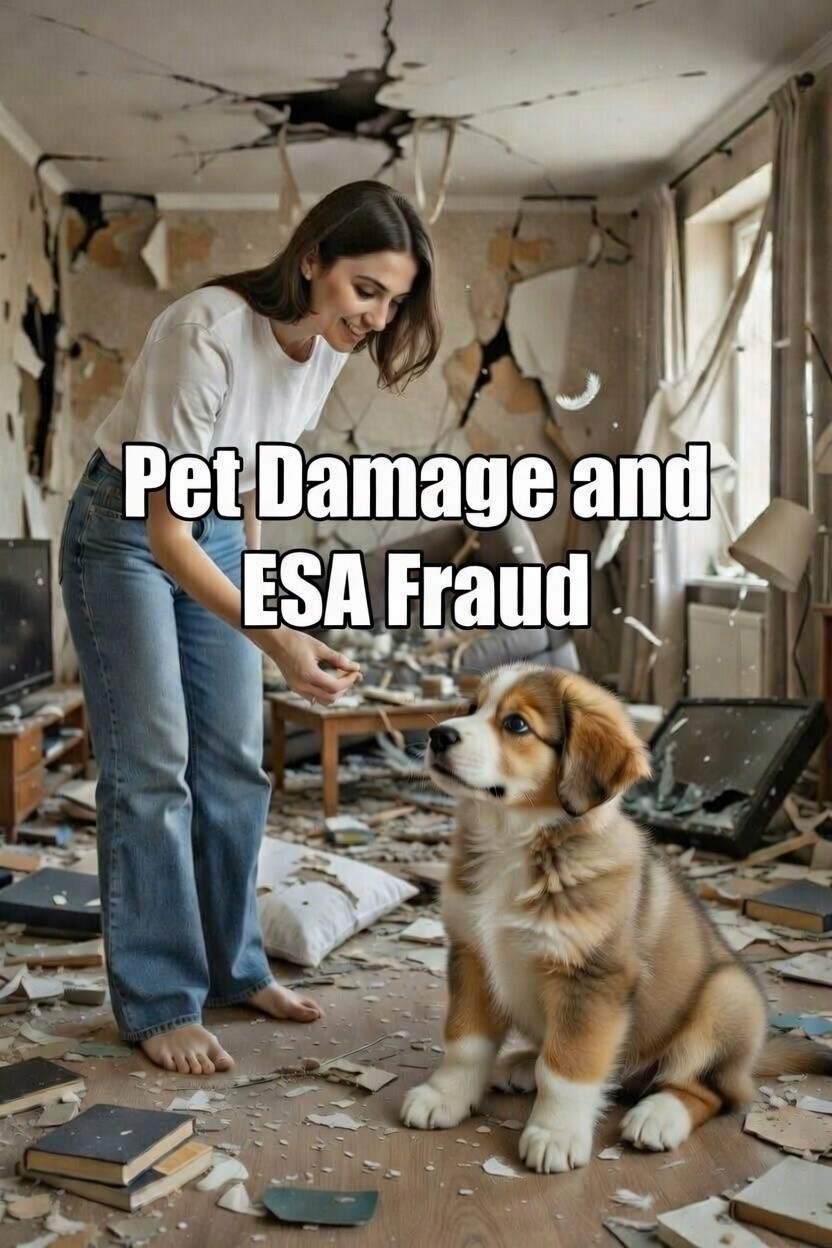
A Smarter Way to Protect Your Property & Boost NOI Against Pet Damage in 2026
Across the multifamily industry, more owners and operators are asking the same questions:
How do you protect your properties from pet-related damage?
How do you prevent emotional support animal (ESA) abuse from eroding ancillary income?
And how do you stay ahead of new regulations targeting pet fees?
These concerns are becoming increasingly common as the economics of pet policies shift and as regulators begin scrutinizing traditional fee structures.
The Growing Challenge: ESA Claims and Lost Pet Revenue
Recently, a multifamily owner with roughly 1,000 units shared a situation many operators are facing.
Nearly 90% of their pet-owning residents were claiming ESA status, which legally exempts them from paying pet rent or fees in many cases. As a result, the owner estimated losing around $15,000 in ancillary income.
This isn’t an isolated issue. Many operators report that traditional pet rent models are becoming less effective because:
Residents increasingly understand how ESA exemptions work
Enforcement can be difficult
The structure of pet rent itself creates friction
When pet rent is framed as a blanket charge for potential damage, residents often question its fairness, especially if their pet never causes a problem.
Why Traditional Pet Rent Models Are Losing Effectiveness
Most pet rent conversations with residents sound something like this:
“We charge pet rent in case your pet damages the property.”
From a resident’s perspective, this can feel like an added fee without a clear personal benefit. If nothing happens, the resident never sees any return on the cost. Or if something does happen their coverage only applies to damage done to the property - not other people, pets, or their own personal belongings.
This dynamic is one reason why many properties report:
High ESA claim and pet rent avoidance rates
Difficulty capturing meaningful NOI from pet programs
On a 1,000-unit portfolio, this can significantly impact revenue potential.
Example:
If only 200 residents pay $50/month pet rent, that equals about $10,000 per month.
But many portfolios have far more pet owners than that.
A Different Approach: Pet Liability Instead of Pet Rent
Many operators are now exploring the option of offering residents pet liability coverage as an alternative.
The key difference is how the program is framed.
Instead of positioning it as a landlord protection fee, the conversation shifts to resident protection:
What happens if a dog bites someone and they need to go to the hospital? Who ends up being responsible to pay for that?
What if a pet injures another animal at a dog run or on-site pet park?
What if the resident is sued over an incident involving their pet?
In these cases, the liability and risk falls primarily on the resident - not the property owner.
Pet liability coverage addresses all of those risks directly.
When framed this way, residents often view the program differently:
It provides personal protection for them (not just the landlord or property owner)
It addresses real legal exposure that exists with per ownership
It feels less like a property fee and more like an asset for their resident
In practice, many operators report significantly higher adoption rates under this structure.
In the example above:
Instead of 200 residents participating
Some portfolios see 50% of residents who willingly are opting in
That shift can materially change NOI outcomes while also improving risk protection.
Can Owners Legally Require Pet Liability Coverage?
This is one of the most common questions operators ask.
In many markets, properties can:
Offer pet liability coverage as an option, or
Mandate it in the same way they require resident liability insurance
However, actual implementation ultimately depends on:
Local regulations
Fair housing considerations
Resident blow-back approximation
Large portfolios are now starting to mandate pet liability coverage because they have the legal infrastructure to support enforcement (and lawsuits that fight it). Smaller operators and portfolios are choosing a simpler path for residents to opt-in to pet liability options instead.
Either approach is increasingly being discussed as a way to manage risk and address ESA-related challenges.
Regulatory Headwinds: Cities Are Now Cracking Down on Pet Fees
Another factor driving this conversation is regulatory change.
Several pet-friendly cities and jurisdictions are beginning to:
Limit or scrutinize pet rent
Restrict non-refundable pet fees
Evaluate whether certain charges are unfair to tenants
Lawmakers are responding to housing affordability concerns and tenant advocacy groups that argue some pet-related fees have become excessive.
As a result, many owners and operators are preparing for a future where:
Traditional pet rent may soon be illegal to enforce
Alternative structures that add no value to residents may follow suit
Risk management options needs to evolve to solve these growing needs
In markets where these conversations are already happening, operators are looking for ways to stay ahead of policy shifts rather than react after regulations change.
Why ESA Fraud Is Becoming a Structural Issue
ESA misuse isn’t only about residents trying to avoid fees. It’s also a reflection of how the system is structured.
When:
Pet rent provides no direct value to residents
ESA exemptions remove the cost entirely, and leave the owner and operator to bear the financial burden of no way to claim against pet damage
Enforcement becomes inconsistent
…the incentives start to shift.
Many operators now believe the long-term solution isn’t stricter enforcement alone, but rethinking how pet programs (and risks) are structured and presented in multifamily housing.
Where the Industry May Be Heading
Across the industry, several trends are beginning to emerge:
More focus on pet liability protection and the risks residents face with pet ownership rather than pet rent alone
Greater awareness of ESA policy abuse
Regulatory scrutiny of ancillary fees
Owner demand for programs that protect NOI without legal or resident risk exposure
Increased interest in insurance-based resident solutions and options
For multifamily owners navigating tighter margins, these conversations are becoming increasingly important, especially as expenses rise and operators look for sustainable ways to protect property value.
The Key Question for Owners and Operators for 2026
As regulatory pressure increases and ESA claims become more common, many owners are starting to ask:
How do we protect our property from pet-related risk?
How do we create fair policies residents actually comply with?
And how do we preserve NOI without relying on fees that may face future regulation?
For many portfolios, answering those questions is becoming a priority heading into the next phase of multifamily operations.