2025
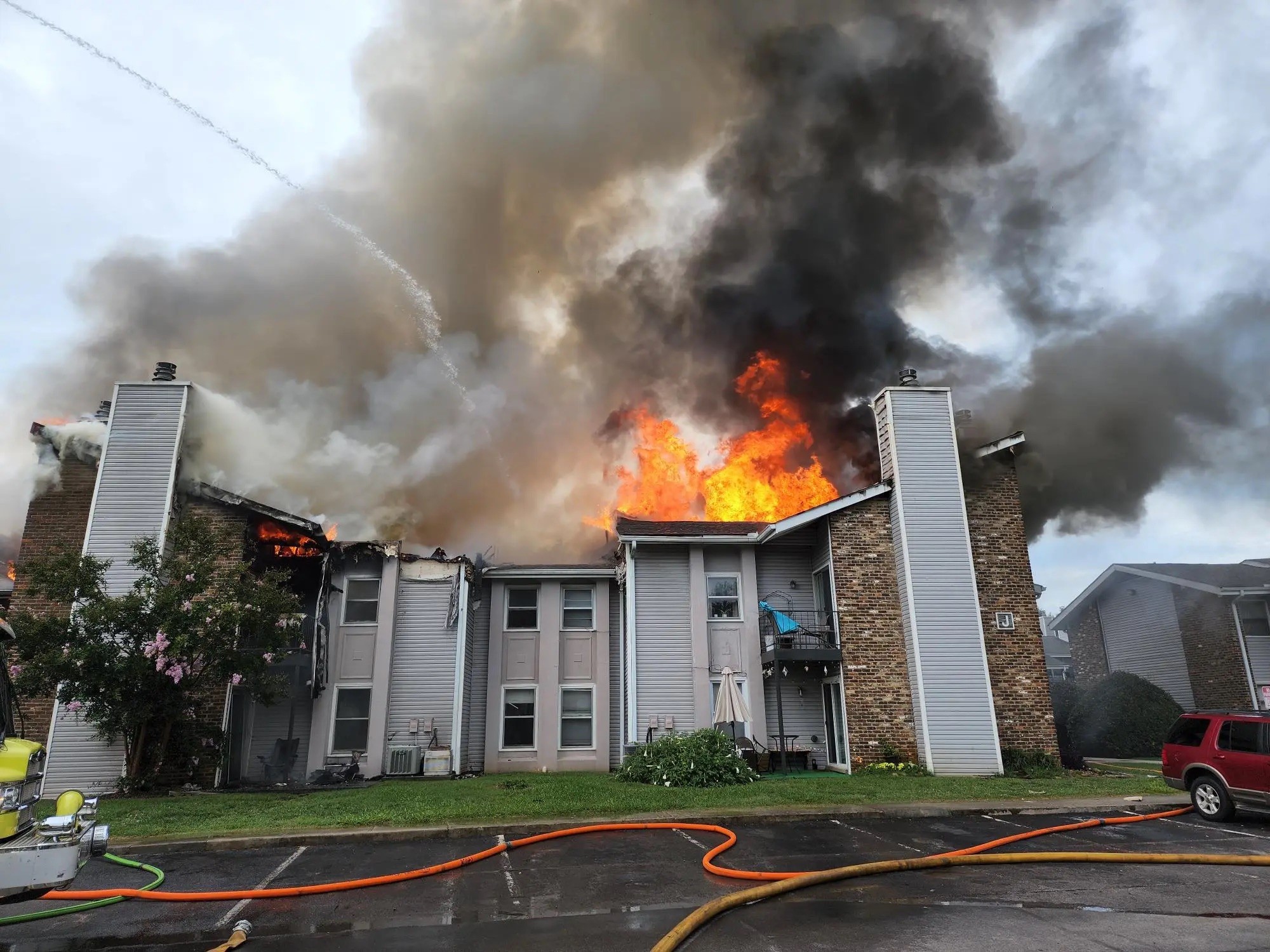
The real estate industry is shaking, and it’s not slowing down.
Last week, I read a post from a multifamily owner that stopped me cold. They lost an entire building to a fire, filed a claim with their insurance carrier, and were told:
“Sorry, this isn’t covered.”
They paid for the entire rebuild out of pocket.
Then the carrier non-renewed them.
This isn’t an isolated story anymore. It’s becoming a pattern, and it exposes a fundamental problem with how insurance works for real estate owners today.
The Broken Promise of Property Insurance
Insurance is supposed to exist for catastrophic events.
That’s the deal:
Owners typically handle small losses through high deductibles
Premiums are paid year after year
When something truly major happens, coverage is there
But in reality, many operators are discovering that when the worst happens, their carrier becomes an adversary — not a partner.
Carriers spend years courting clean operators:
Strong maintenance practices
Minimal claims
Excellent loss histories
They gladly collect premiums when nothing goes wrong.
But when a large claim finally occurs?
Coverage is disputed
Payouts are delayed or denied
Policies are non-renewed after payment
At that point, owners are forced to ask a painful question:
What exactly have we been paying for?
Why Multifamily Operators Are at a Breaking Point
The last five years have been brutal for real estate owners:
Interest rates doubled
Insurance premiums tripled in many markets
Operating margins evaporated
Operators adapted. They raised deductibles. They absorbed costs. They kept paying premiums, trusting that insurance would do what it promised when it mattered most.
But now, more owners are discovering that insurance no longer reliably protects against catastrophic loss.
Imagine any other relationship that only exists when times are good — and disappears the moment you actually need support. That’s what many insurance relationships feel like today.
And owners are understandably angry.
Why Carriers Are Losing Trust, And Customers
The insurance industry isn’t confused about what’s happening.
Carriers know that:
Catastrophic claims are increasing
Reinsurance is more expensive
Litigation risk is rising
Their response has been predictable:
Tighten coverage language
Increase premiums regardless of loss history
Reduce exposure by non-renewing after claims
But this behavior has consequences.
More real estate owners are asking:
Why am I subsidizing other people’s losses?
Why do I lose coverage the moment I actually use it?
Why doesn’t my clean portfolio benefit me anymore?
And those questions lead to action.
The Rise of Self-Insurance and Captive Models in Real Estate
This is why self-insurance, captives, and risk retention structures are gaining momentum across the multifamily industry.
These models allow owners to:
Pool their own premiums
Pay their own claims
Retain underwriting profits when losses are low
Control renewals and coverage terms
Instead of paying a third party to hold their money and fight them during claims, owners regain control over their risk.
From the carrier’s perspective, this trend is alarming.
From the owner’s perspective, it’s logical.
The Hard Truth the Industry Must Face
If insurance no longer reliably protects operators during catastrophic events, then the traditional model is failing its core purpose.
Ignoring that reality doesn’t make portfolios safer, it only ensures more owners get burned before change happens.
That’s why more operators are exploring:
Captive insurance structures
Risk retention groups (RRGs)
Alternative risk transfer models
Not because they want complexity, but because they want real protection and fair economics.
Final Thoughts
Insurance should never feel like a gamble.
Yet today, many real estate owners are paying more than ever for coverage that disappears when it’s needed most.
Until the industry confronts this truth head-on, the shift toward self-insurance and captives will only accelerate.
And frankly, I think it should.