2026
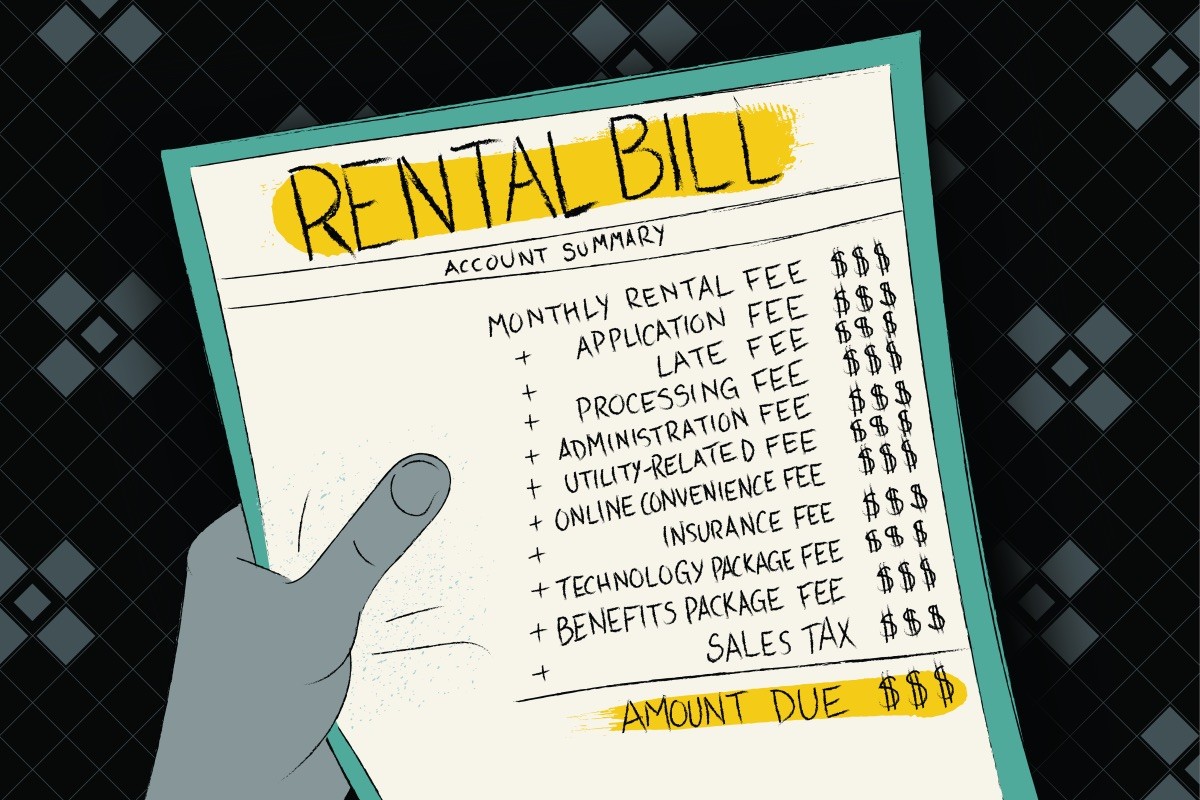
If you’re a property manager, owner, or operator and you’re wondering why tours are up but leases are down, you’re not alone. Across the country, multifamily teams are reporting strong traffic, solid feedback, and competitive rents… yet conversion rates are quietly falling.
This isn’t a marketing problem.
It’s not a lead quality problem.
And it’s definitely not a leasing agent problem.
Most are saying it could be a fee structure problem.
The Real Reason Your Conversion Rate Is Dropping
Last week, I spoke with a property manager running a 300-unit community in a strong submarket.
Great location. Competitive rent at $1,800/month.
Leasing team is doing 20+ tours per week. Strong prospect feedback.
Yet their conversion rate has dropped from 70% to 55%.
On paper, nothing looked wrong.
So we walked through what a resident actually sees at lease signing:
Security deposit: $500
Admin fee: $300
Pet deposit: $300
Pet rent: $50/month
Pest control: $20/month
Water/sewer billing: $85/month
That “$1,800/month apartment” is really:
$2,600 upfront move-in cost
$1,955/month effective rent
And here’s the problem:
From the resident’s perspective, every single one of those fees provides no real value to them.
Why Residents Are Walking (Even When They Like the Property)
Let’s look at this through the renter’s lens.
The $500 deposit? Locked in escrow. Maybe they get part of it back. Maybe they don’t.
The $300 admin fee? Invisible. No benefit. No service.
The $300 pet deposit + $50/month pet rent? Doesn’t protect their belongings. Doesn’t protect them from liability. Just a fee to cover damage to the property, not the resident.
The utility markups and amenity fees? Mandatory. No opt-out. No added protection.
So the resident is doing the math in real time:
“I’m paying $150+ a month in extra fees and getting nothing in return except permission to live here.”
Then they tour the property down the street.
Same rent. Similar unit.
But that property's lease shows:
Deposit alternative: $30/month instead of $500 upfront
Pet liability coverage: $25/month instead of $300 deposit + $50/month pet rent
Pest control: $20/month
Water/sewer billing: $85/month
Now the numbers look like this:
Move-in cost: $1,830 instead of $2,600
Monthly cost: $1,960 instead of $1,955
But the resident is actually sees the value in being covered and protected
Guess which lease gets signed.
It’s Not “Lost to Competition.” It’s Lost to Bad Economics.
Most PMs mark this as “lost to competition.”
But it’s not competition.
It’s value mismatch.
Residents aren’t rejecting your property.
They’re rejecting a fee stack that feels extractive, not protective.
They’re paying:
Admin fees
Pet fees
Utility markups
Amenity fees
Deposits
…and receiving no tangible benefit in return.
That $155/month in ancillary fees?
That’s $1,800 per year that feels like it disappears into a black hole.
From the resident’s perspective, it’s obvious:
One property is trying to help them.
The other is trying to monetize them.
And residents are voting with their applications.
The Bigger Problem: Fee Stacking Without Value Creation
This is the quiet crisis in multifamily right now.
Operators have layered fees without rethinking whether those fees actually create value for the resident.
It’s 4–5 layers of profit extraction with almost zero perceived benefit.
That’s not sustainable.
Not in a market where:
Rent growth is slowing
Consumers are stretched
And competing properties are getting smarter with resident-friendly programs
Why This Matters for NOI and Occupancy
Here’s the part most owners miss:
Bad fee structures don’t just hurt resident experience. They directly hurt NOI.
Lower conversion rates =
More vacancy
More concessions
More marketing spend
More pressure on rent
All because the deal dies at the finish line over move-in friction.
Meanwhile, properties that:
Offer deposit alternatives
Bundle insurance and protection products
Replace punitive fees with value-based programs
…are closing faster, leasing easier, and creating stickier residents.
The Shift That’s Already Happening
The smartest operators are moving away from:
Pure deposits
Flat pet rent
Admin-heavy fee stacks
And toward:
Deposit alternatives
Resident insurance programs
Pet liability coverage
Value-based ancillary revenue
Why?
Because residents will pay for protection.
They won’t pay for permission.
The Bottom Line
Leasing isn’t getting harder because your team is worse.
It’s getting harder because residents are finally seeing the math.
And when they do, they’re choosing the property that:
Costs less upfront
Feels fairer monthly
And actually gives them something for their money
If your tours are strong but your conversions are slipping, don’t look at your leasing agents.
Look at your fee stack.
Because right now, in multifamily, value wins. Fees lose.